Panel Upgrades
Seven Signs Your Electrical Panel Is Due for an Upgrade
Breakers that trip, a panel with no space left, or a 60 A service in a house that now heats with electricity.
BGE Electrique team · Published June 28, 2026 · 6 min read
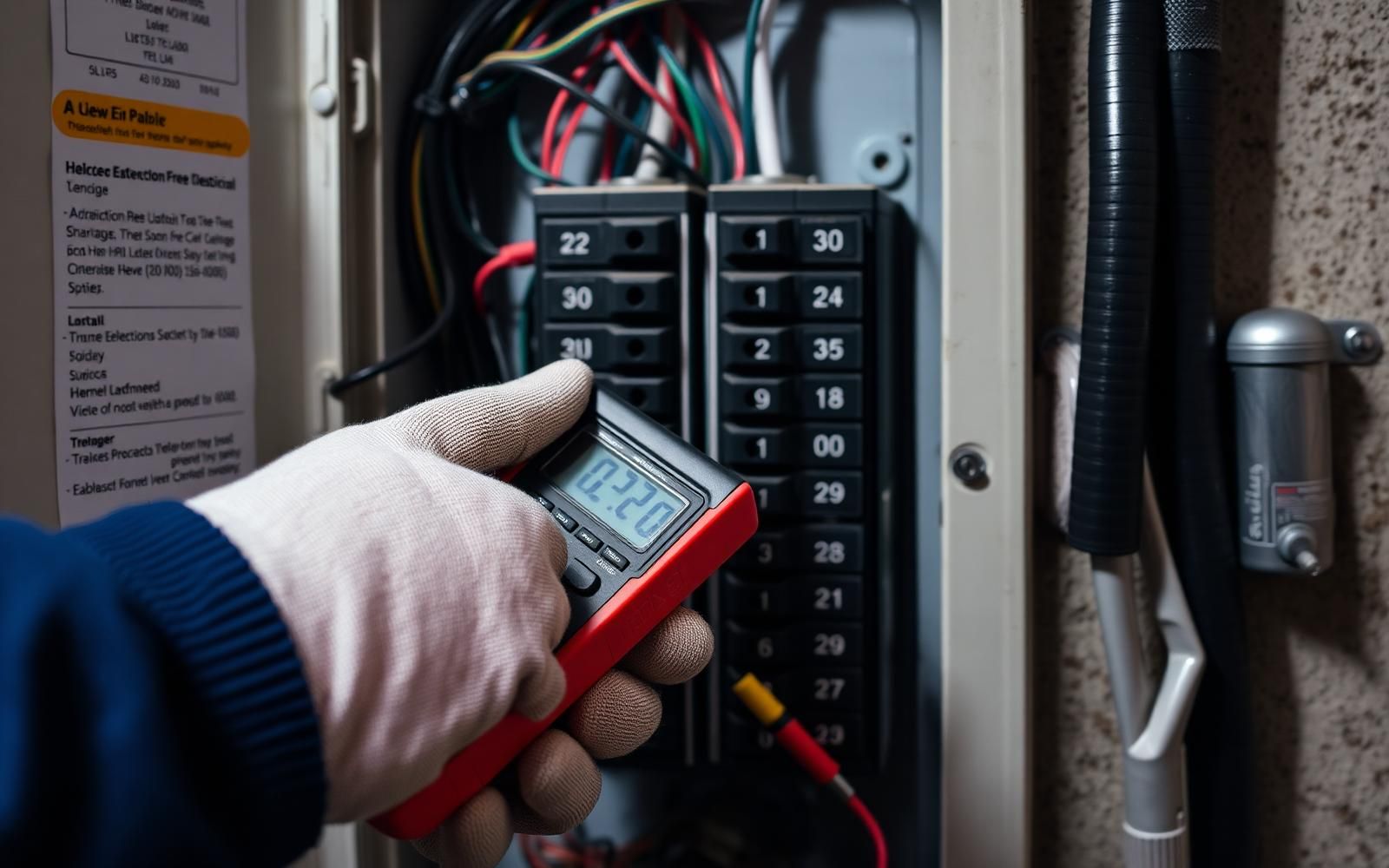
The panel is the heart of a home's electrical system, and it ages. Many houses around Hudson and Vaudreuil were wired for a very different set of appliances than the ones they run today. Here are the signs we see most often on service calls.
- Breakers trip regularly, especially when two appliances run at once.
- The panel is full — no spare spaces for a new circuit.
- You still have a fuse box, or a 60 A / 100 A service in an all-electric home.
- Lights dim noticeably when the furnace, pump or dryer starts.
- Warmth, buzzing or a burning smell at the panel — call immediately.
- Rust or moisture staining inside the enclosure.
- You're planning an addition, a heat pump, a hot tub or an EV charger.
Upgrading the panel vs upgrading the service
These are two different jobs. Replacing the panel swaps the distribution equipment while keeping the same incoming service. A service upgrade — going from 100 A to 200 A, for example — also involves the meter base, the service entrance conductors and coordination with the utility. The second is a bigger project, and it is the one most often needed when a household electrifies heating and transportation at the same time.
A modern panel also brings protection that simply didn't exist a generation ago: AFCI breakers that detect arcing in concealed wiring, GFCI protection in wet areas, and clean labelling so the next person who opens the door knows exactly what each breaker does.