Safety
Backup Power Before Storm Season: Portable, Standby or Battery?
Ice storms, wind events and well pumps. How to size backup power for a home in Vaudreuil-Soulanges.
BGE Electrique team · Published May 21, 2026 · 7 min read
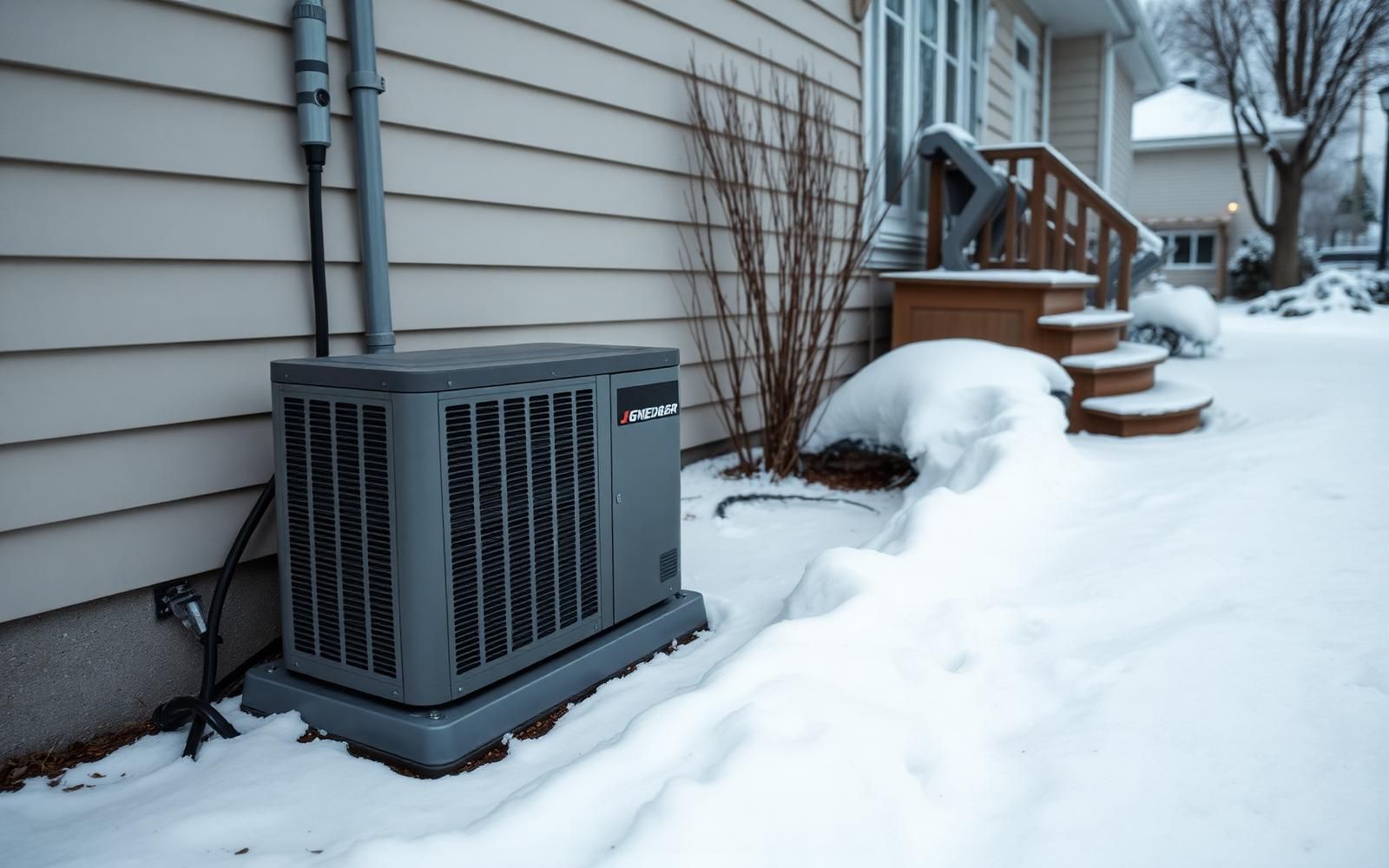
Anyone who has spent three days without power in January knows backup is not a luxury here. Homes on well water lose the pump. Homes with a basement lose the sump. Heating systems, even oil and gas ones, need electricity to run controls and blowers.
Three realistic options
- Portable generator with a manual transfer switch: lowest cost, requires you to be home, refuel it and start it.
- Automatic standby generator: permanently installed, self-tests, starts within seconds of an outage, runs on propane or natural gas.
- Home battery system: silent, no fuel, excellent for short outages and off-peak load shifting, limited runtime in a multi-day event.
Sizing without overbuying
Start by listing what must run: heating controls, refrigerator, freezer, well pump, sump pump, a few lighting circuits and internet. Motors need a starting surge several times their running load, so the well pump usually sets the minimum size. Many families are comfortably covered by a well-chosen essential-circuits panel rather than whole-home backup — and it costs considerably less.
Whatever you choose, plan the installation in the fall. Lead times on standby units stretch after the first big outage of the season, and nobody wants to trench a gas line through frozen ground.